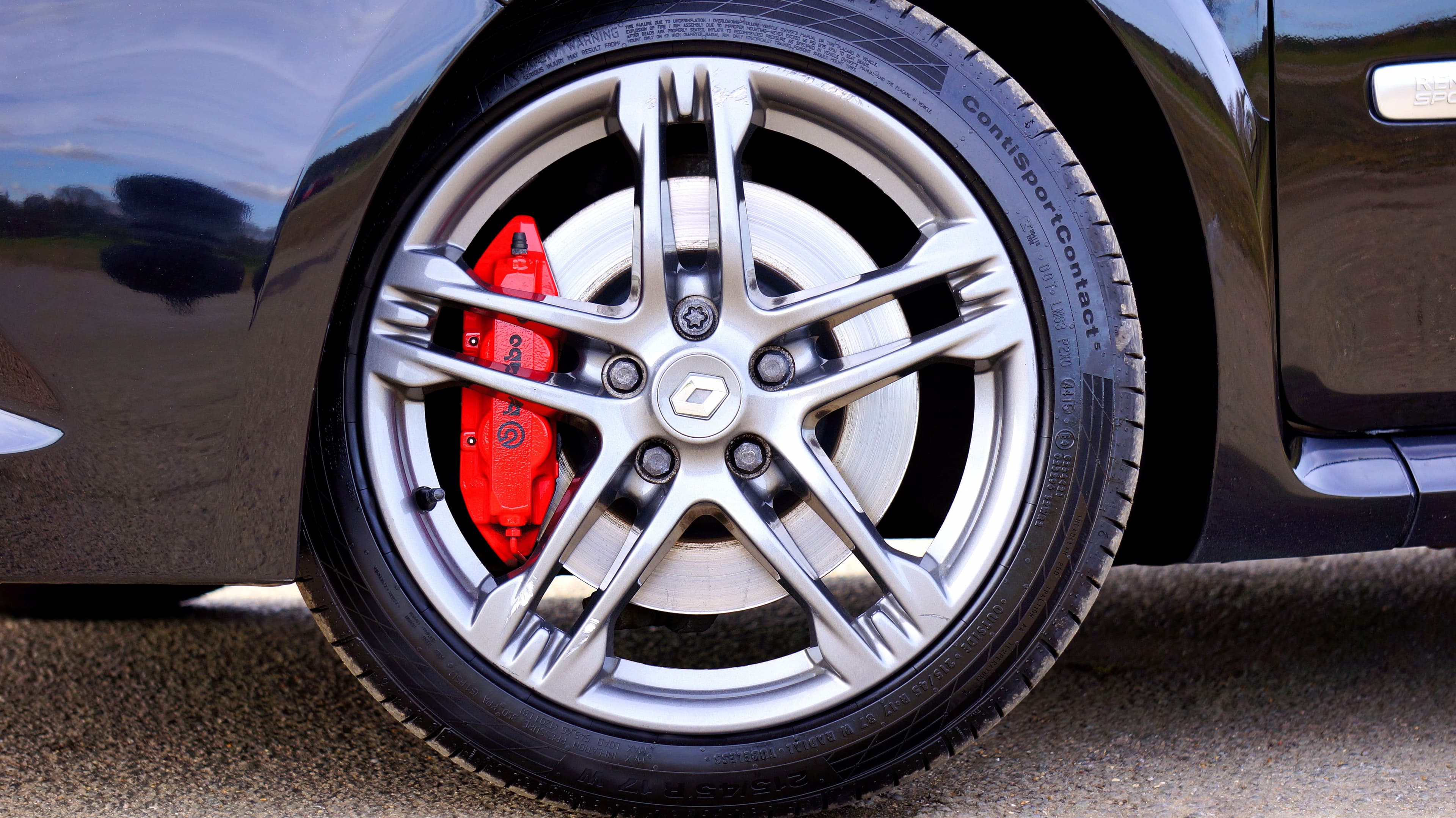
Your braking system is the single most important safety feature on your vehicle. When you press the brake pedal, you expect a smooth, silent stop. When your car starts making loud, embarrassing, or concerning noises instead, it is a clear warning sign that something is wrong.
Different noises point to very different problems, ranging from harmless surface rust to dangerous mechanical failure. Here is a breakdown of the most common brake noises and exactly what they mean.
1High-Pitched Squealing (The Warning Marker)
If you hear a high-pitched squeal that happens when driving but stops (or changes tone) when you press the brakes, you are likely hearing the "wear indicator". Most modern brake pads have a small metal tab built into them. When the pad material wears down to a dangerously low level, this metal tab purposefully scrapes against the brake disc to warn you that it is time for a replacement.
2Loud Grinding (Metal on Metal)
A harsh, loud grinding or crunching noise when braking is the worst sound you can hear. This means the friction material on your brake pads has completely worn away, and the bare metal backing plate is now clamping directly onto your metal brake discs. This will destroy your brake discs very quickly and severely reduce your stopping power. You must get this fixed immediately.
3Squeaking First Thing in the Morning
If your brakes squeak slightly when you first drive the car in the morning but the noise disappears after a few stops, it is usually nothing to worry about. Overnight moisture (dew or rain) causes a very thin layer of surface rust to form on the cast-iron brake discs. The first few times you brake, the pads scrape this rust off, creating a temporary squeak.
4Clicking or Rattling over Bumps
Brake pads are held tightly in the brake caliper using special anti-rattle clips. Over time, these clips can break, rust, or become loose. If you hear a rattling or clicking noise that comes from the wheels while driving over uneven roads, but it vanishes the moment you apply the brakes, loose brake pads are the most likely culprit.
5Vibration or Juddering (Warped Discs)
Whilst not exclusively a noise, if your steering wheel shakes violently or the brake pedal pulses under your foot when you apply the brakes, your brake discs are likely warped or unevenly worn. This usually happens due to excessive heat build-up or sudden cooling (like driving through a deep puddle with hot brakes), and the discs will need to be replaced.
Never gamble with your brakes
Your brakes are your primary lifeline on the road. If you are ever in doubt about a noise coming from your wheels, it is always safer to have a professional mechanic inspect the braking system. Catching worn brake pads early will save you the far greater expense of replacing ruined brake discs.