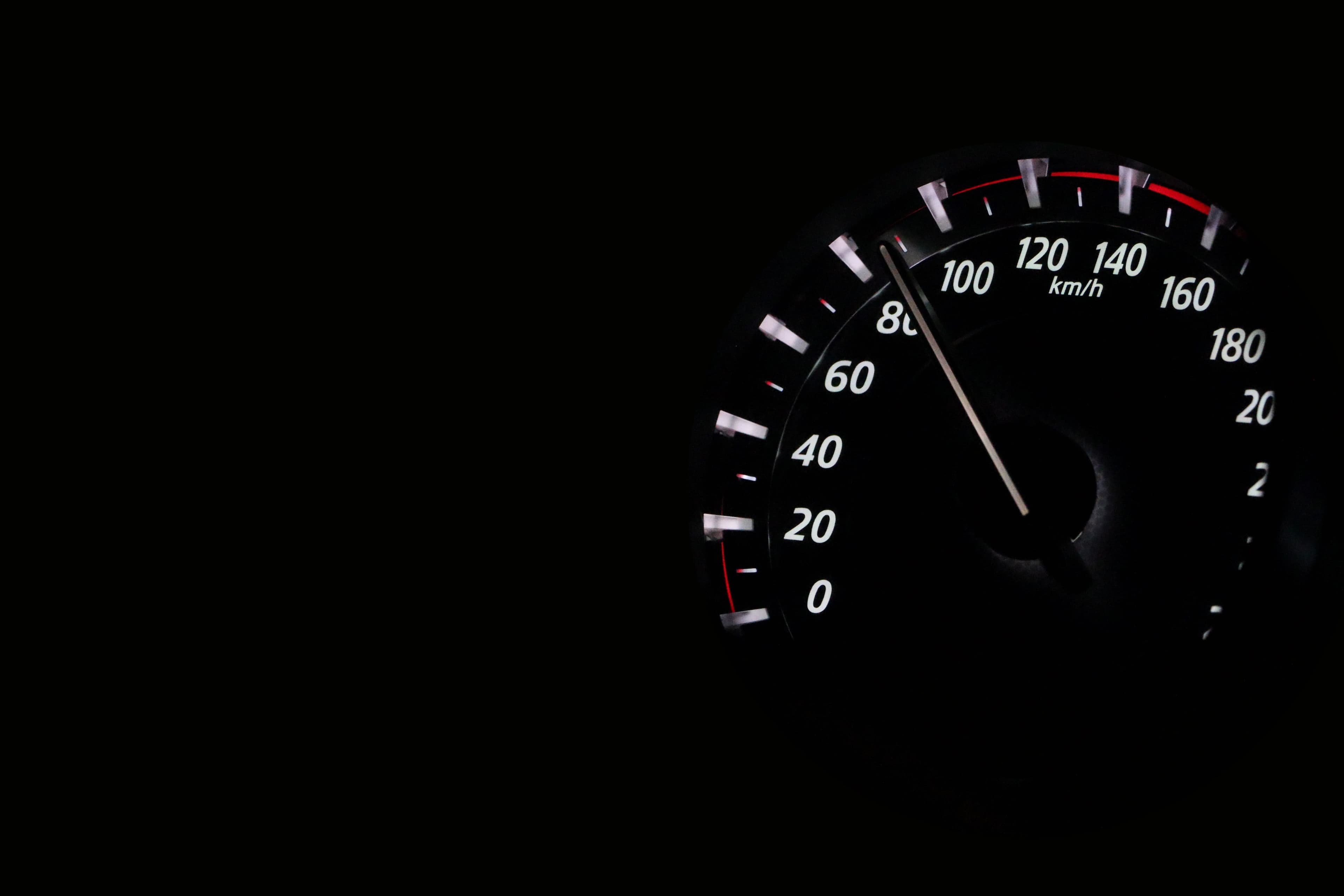
There are few things more unsettling whilst driving than pressing your foot down on the accelerator pedal and feeling absolutely nothing happen. Whether it is a sudden loss of power on the motorway or a sluggish struggle to pull away from a junction, a lack of acceleration is a serious safety concern.
An internal combustion engine needs three basic things to generate power: fuel, air, and a spark (or compression for diesels). If any part of this delicate mixture is restricted, your car's performance will instantly suffer. Here are the top 5 reasons your car might be losing power.
1A Blocked Fuel Filter or Failing Pump
When you accelerate, the engine demands more fuel. If your fuel filter is clogged with dirt and debris, or if the fuel pump is failing, the required amount of petrol or diesel simply cannot reach the engine in time. This results in the car feeling starved of power, often accompanied by sputtering or hesitation when you try to pick up speed.
2Clogged Air Filter or MAF Sensor
Engines need to breathe. If the engine air filter is completely blocked with dust and leaves, the engine will choke. Additionally, if the Mass Airflow (MAF) sensor—which measures the air entering the engine—is dirty or faulty, it will send incorrect data to the car's computer. The computer will then restrict the fuel supply, causing an immediate drop in acceleration.
3Exhaust Restrictions (DPF or Catalytic Converter)
Just as an engine needs to breathe air in, it must be able to push exhaust gases out. If the catalytic converter (on petrol cars) or the Diesel Particulate Filter (DPF) collapses or becomes severely blocked with soot, the exhaust gases have nowhere to go. This creates immense back-pressure, suffocating the engine and drastically reducing power.
4Turbocharger Faults (Boost Leaks)
Most modern cars (both petrol and diesel) rely on a turbocharger to deliver power. If a rubber turbo hose splits, the pressurised air escapes before it ever reaches the engine—this is known as a boost leak. You might hear a loud hissing or whooshing noise when accelerating, accompanied by a complete lack of pulling power.
5Limp Mode Activation
Sometimes, the loss of power is entirely intentional. If your car's computer detects a severe fault that could damage the engine or transmission, it will activate "limp mode". This artificially restricts your speed and RPM, allowing you to slowly "limp" the vehicle to a safe stopping point or a nearby garage without causing catastrophic damage.
Finding the real cause
Because a loss of power can be caused by anything from a £20 blocked filter to a £1000 failing turbocharger, guessing the issue can be incredibly expensive. A professional diagnostic check will read the live data from your engine, allowing a mechanic to pinpoint the exact restriction and get your car running smoothly again.