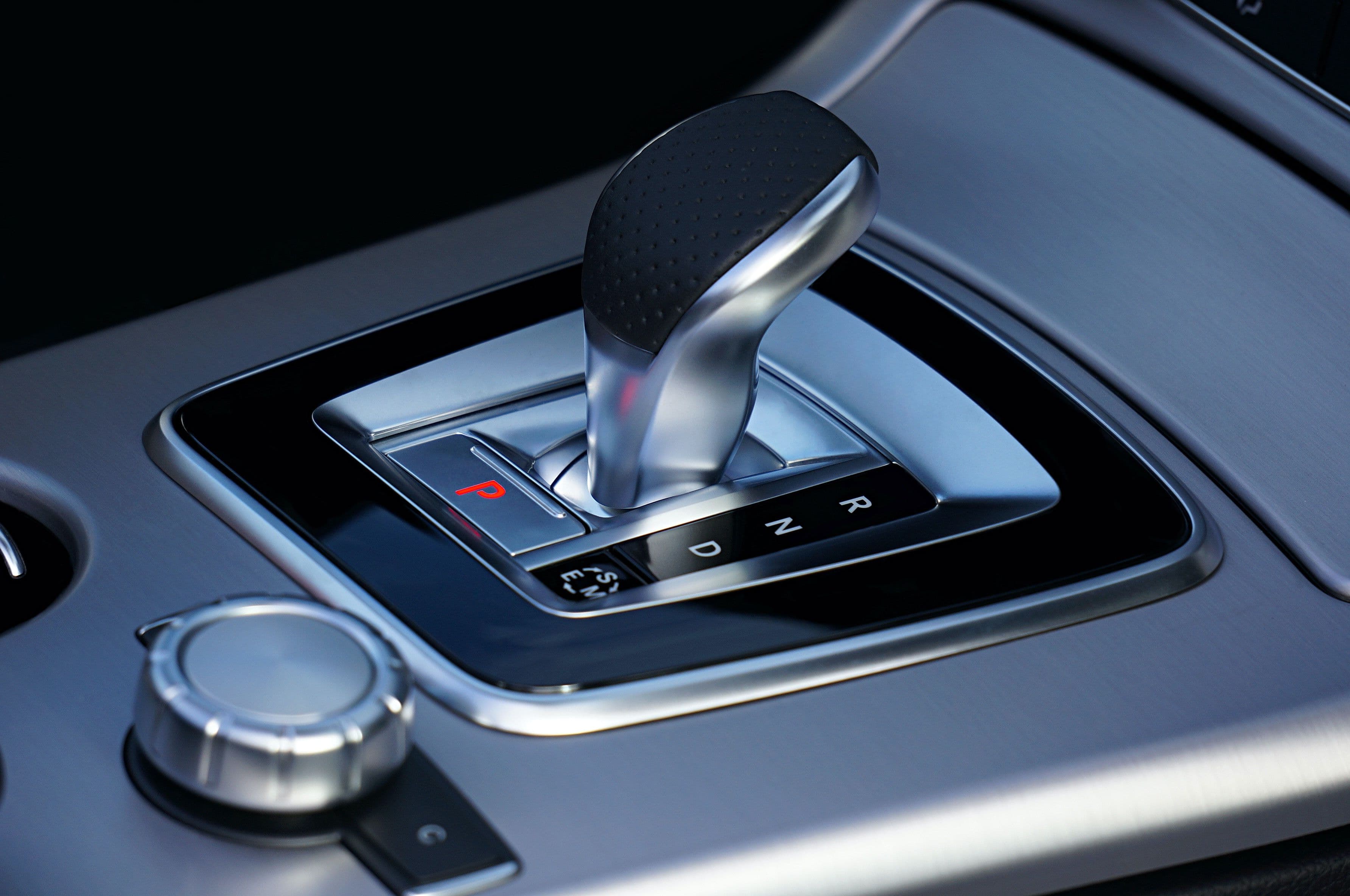
An automatic gearbox is designed to be seamless. When working correctly, you should barely notice the car shifting through the gears. However, when you start experiencing a harsh judder, a delayed engagement, or the sensation that the gears are "slipping" while you accelerate, it completely ruins the driving experience.
These symptoms are your vehicle's way of crying out for help. Ignoring a judder or a slip will almost certainly lead to a complete breakdown. Here is a look at what is actually happening inside your gearbox when these issues occur.
1Low or Degraded Transmission Fluid
The vast majority of slipping issues are caused by the automatic transmission fluid (ATF). The fluid acts as a hydraulic pressure medium to shift the gears and a lubricant to cool the moving parts. If there is a leak causing low fluid levels, or if the fluid is old and has lost its friction-modifying properties, the gearbox will struggle to grip the gears, resulting in noticeable slipping.
2Torque Converter Shudder
If the juddering feels like you are driving over a rumble strip on the motorway, especially at steady cruising speeds, the torque converter is often the culprit. The torque converter transfers engine power to the transmission. If its internal lock-up clutch is worn or contaminated with degraded fluid, it will rapidly slip and grip, causing a harsh, vibrating shudder throughout the car.
3Worn Clutch Packs and Bands
Inside an automatic gearbox are multiple sets of clutch plates and friction bands that physically engage to hold the gears in place. Just like the brake pads on your wheels, these internal friction materials eventually wear down. Once they become too thin, they can no longer hold the required torque, causing the engine to rev up without the car increasing in speed.
4Valve Body and Solenoid Failures
The valve body is the "brain" of the transmission, directing fluid through a maze of channels using electronic valves called solenoids. If a solenoid fails electronically, or if the valve body becomes clogged with metal shavings and debris, the fluid cannot reach the right places at the right time. This leads to delayed engagements, harsh clunking into gear, or failure to shift up entirely.
5Software and Electronic Glitches
Sometimes, the mechanical hardware is perfectly fine, but the software controlling it is confused. Modern automatic gearboxes use adaptive learning to adjust to your driving style. Occasionally, a software glitch or a dying car battery can corrupt this memory, causing erratic and rough shifting. A professional diagnostic reset or software update is often required to fix this.
Don't wait for a total failure
An automatic gearbox that slips or judders is generating immense amounts of internal heat, which rapidly destroys whatever healthy components are left. Catching these symptoms early often means the difference between a relatively affordable fluid flush or solenoid repair, and needing a complete, highly expensive gearbox rebuild.